
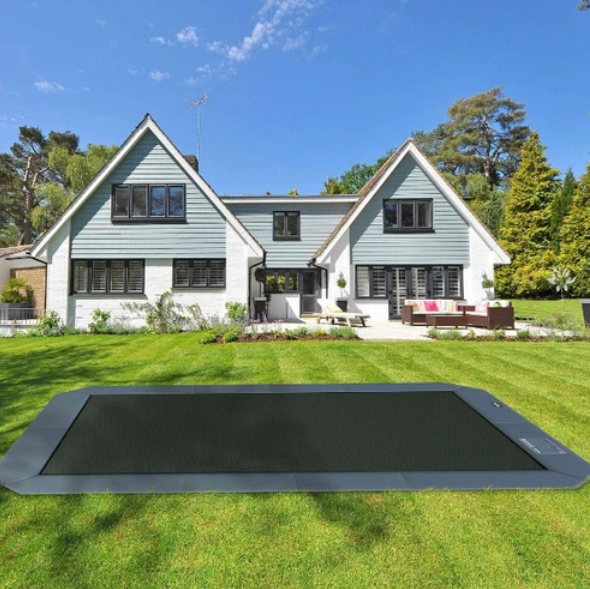
In-ground trampolines represent significant investments for families seeking outdoor recreational options. Unlike traditional above-ground trampolines, in-ground models require permanent installation and substantial financial commitment. Understanding durability factors and knowing what to evaluate before purchasing helps ensure your trampoline investment provides years of safe, enjoyable use. This guide outlines critical considerations for selecting durable in-ground trampolines.
Understanding Frame Construction
The trampoline frame forms the foundation of durability. Steel frames outlast aluminum frames and provide superior strength. High-quality steel resists bending and deformation from repeated bouncing and weather exposure. Look for frames using galvanized or powder-coated steel that resists rust and corrosion.
Frame thickness matters significantly for durability. Thicker gauge steel withstands continuous use without degradation. Compare specifications carefully as thinner frames fail prematurely under heavy use. Professional-grade trampolines use thicker gauge materials than budget models, translating to longer lifespan.
Welding quality directly impacts frame longevity. Examine welds carefully for consistency and integrity. Weak welds fail under stress, causing frame separation and safety hazards. Quality manufacturers use reinforced welds at stress points where springs attach to frames.
Read More: Designing a Home That Can Handle Southern Utah Living
The frame design itself affects durability. Eight-spring systems distribute weight more evenly than six-spring arrangements. Better weight distribution reduces stress concentrating on individual springs and frame sections, extending overall lifespan.
Evaluating Spring Systems
Springs provide the bounce mechanism and represent wear-prone components. Stainless steel springs resist corrosion far better than galvanized springs. Stainless construction costs more but significantly extends trampoline life in outdoor environments.
Spring count influences durability and bounce quality. More springs distribute weight across the surface more effectively, reducing individual spring strain. While fewer springs cost less, additional springs extend service life and improve safety by preventing uneven weight distribution.
Spring thickness determines how long springs maintain bounce characteristics. Thicker, higher-quality springs maintain elasticity longer before weakening. Budget springs lose bounce after one to two seasons while quality springs perform for five years or longer.
Check whether springs are individually replaceable. Quality trampolines allow spring replacement without replacing the entire system. This feature saves significant replacement costs and extends trampoline lifespan indefinitely.
Examining Mat and Bounce Surface
Trampoline mat material directly impacts durability and user experience. Polypropylene mats cost less but deteriorate faster, lasting two to three years before fraying and fading. Vinyl and reinforced vinyl mats resist UV damage better and maintain bounce characteristics longer.
Stitching quality affects mat longevity. Double or triple stitching at attachment points prevents separation and premature mat failure. Examine stitching carefully for consistency and security. Poor stitching causes rapid mat deterioration around edges.
Weight capacity ratings indicate durability level. Trampolines rated for higher maximum weights have stronger frames and mats. While your family may weigh less than maximum capacity, choosing trampolines rated higher than your needs ensures durability for heavy-use scenarios and multiple simultaneous users.
Read More: Signs It Is Time To Call Plumbing Experts In Houston Before Problems Escalate
UV protection extends mat life substantially. Quality mats include UV-resistant treatments preventing sun damage and fading. Mats lacking UV protection fade quickly and become brittle from sun exposure. Checking mat specifications for UV protection indicates manufacturer commitment to durability.
Checking Safety Padding
Safety padding protects users from frame contact and spring injuries. Thicker padding provides better protection and lasts longer before compression. Most quality trampolines include padding at least one to two inches thick.
Padding material composition affects durability. Dense foam maintains protective properties longer than low-density alternatives. Quality padding resists compressing and hardening over time, maintaining cushioning protection throughout the trampoline’s lifespan.
Padding covering material must withstand sun and weather exposure. Vinyl coverings resist UV damage better than cloth coverings. Reinforced or double-layered padding covers offer superior durability compared to thin single-layer construction.
Secure padding attachment prevents separation and slipping. Check that padding is firmly secured throughout, not just at attachment points. Padding separating from the frame creates safety hazards and degrades protective function.
Installation and Foundation Considerations
Proper installation dramatically affects trampoline durability. In-ground installation must include adequate drainage to prevent water accumulation beneath the trampoline. Stagnant water promotes rust, frame deterioration, and unsafe surface conditions.
The ground surface must be level and compacted properly. Uneven surfaces cause frame stress and accelerate component failure. Professional installation services ensure proper grading and compacting preventing long-term damage.
Protective barriers around the trampoline pit prevent debris accumulation and water intrusion. Quality installation includes adequate drainage systems and debris barriers extending trampoline lifespan.
Assessing Warranty Coverage
Manufacturer warranties indicate confidence in product durability. Quality trampolines offer extended warranties covering frame, springs, and materials. Longer warranty periods suggest manufacturers expect longer product lifespan.
Read warranty terms carefully noting what is covered and excluded. Some warranties cover only materials while excluding labor and installation. Comprehensive warranties covering components, labor, and parts replacement provide better protection.
Warranty length varies significantly by manufacturer and model. Budget trampolines offer one-year warranties while quality models may provide five-year or longer coverage. Extended warranties justify higher purchase prices by reducing replacement costs.
Maintenance Impact on Durability
Regular maintenance significantly extends trampoline life. Seasonal mat cleaning prevents dirt accumulation and UV damage. Spring inspection catches wear before failure. Padding replacement when worn prevents frame damage from extended contact.
Consider ease of maintenance when selecting trampolines. Models with accessible springs and removable pads are easier to service. Difficult maintenance often results in neglected care accelerating deterioration.
Weather protection enhances durability in harsh climates. Using covers during off-season storage and winter months reduces UV exposure and weather damage. Quality covers designed for trampolines provide better protection than generic covers.
Conclusion
Durable in-ground trampolines require careful evaluation of frame materials, spring quality, mat construction, padding durability, and installation quality. Investing in higher-quality trampolines with better materials, construction techniques, and warranty coverage ensures years of reliable use. While budget models cost less initially, quality trampolines provide superior durability, safety, and long-term value. Taking time to assess durability factors before purchasing prevents premature failure, safety issues, and costly replacements.