
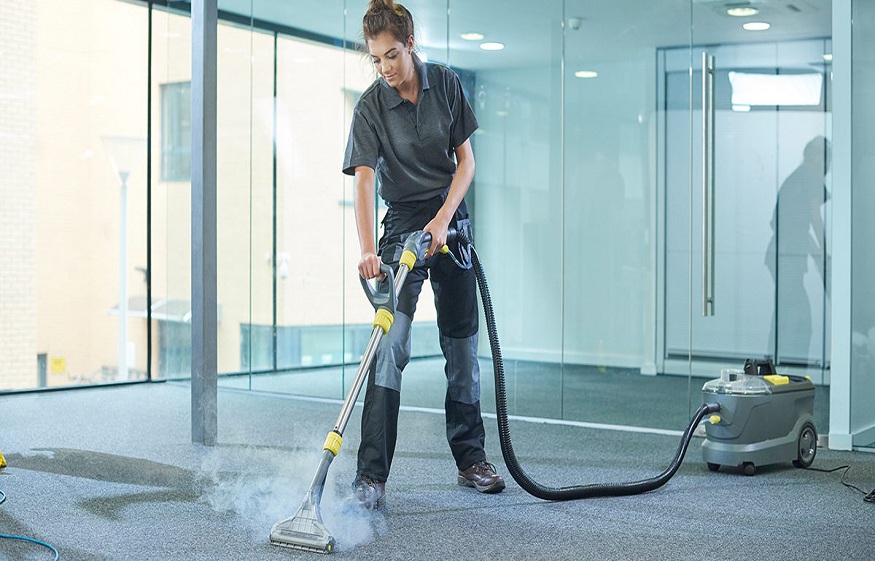
A pro carpet washer is a machine designed to deep-clean carpets by applying water and a suitable cleaning solution to the carpet fibers, loosening embedded dirt, and extracting the resulting dirty liquid. Depending on the model, it may use rotating brushes, a cleaning wand, or a specialized extraction head to improve soil removal.
Unlike a standard vacuum cleaner, which removes loose dirt and dust from the carpet surface, a pro carpet washer addresses grime that accumulates within the carpet pile. It is useful for cleaning high-traffic areas, removing many common stains, and maintaining carpets in homes, offices, hotels, and other commercial environments.
Professional carpet washers come in different designs. Some are upright machines intended for routine carpet maintenance, while others are portable carpet extractors designed for more demanding cleaning tasks. Larger commercial machines may have greater solution capacity and specialized tools for covering extensive carpeted areas.
It is important to understand that the term “pro carpet washer” does not describe one standardized machine specification. Cleaning performance varies according to the equipment’s pump, suction system, brush design, tank capacity, and intended application.
How Does a Pro Carpet Washer Work?
A pro carpet washer generally works through four main stages: applying cleaning solution, loosening dirt, extracting dirty water, and allowing the carpet to dry.
1. Applying Water and Cleaning Solution
The process begins when the machine dispenses water mixed with an appropriate carpet cleaning solution. Depending on the model, the solution is delivered through spray jets, a cleaning head, or a handheld attachment.
The cleaning solution helps loosen soil, grease, and other contaminants that have accumulated on the carpet fibers. The amount of water and detergent used should follow the machine manufacturer’s instructions.
Some machines heat the water internally, while others require water to be added at the recommended temperature. Not every carpet washer uses heated water, and not every machine produces steam.
2. Loosening Embedded Dirt
Once the solution reaches the carpet, the machine helps loosen dirt through moisture, cleaning chemistry, and mechanical action.
Models equipped with rotating brushes or brush rollers agitate the carpet fibers to help release accumulated soil. Other extraction machines rely primarily on the cleaning solution and the movement of a wand or cleaning head.
This stage is particularly useful for carpets exposed to regular foot traffic, food spills, muddy footwear, and everyday household activity.
However, the result depends on the type of stain, the carpet material, the age of the contamination, and the cleaning method. Some stains require a suitable pretreatment, and certain discoloration may not be removable through washing alone.
3. Extracting Dirty Water
After the cleaning solution loosens the dirt, the machine uses vacuum suction to recover the liquid from the carpet.
The extracted water, along with suspended soil and cleaning residue, is collected in a separate recovery tank. Keeping the recovered liquid separate from the clean-water supply helps prevent dirty water from being reapplied to the carpet.
Effective extraction is essential because excessive residual moisture can extend drying time and create conditions that encourage unpleasant odors or microbial growth.
Many carpet washers allow users to make additional suction-only passes to recover more moisture. Follow the operating instructions for the specific machine.
4. Drying the Carpet
After extraction, the carpet remains damp and needs time to dry completely. Drying time varies according to the machine’s extraction performance, carpet thickness, backing material, room temperature, humidity, and ventilation.
To help the carpet dry efficiently:
- Open windows when outdoor conditions allow.
- Use fans to improve air circulation.
- Avoid walking on the damp carpet unnecessarily.
- Keep furniture away from wet areas until the carpet is sufficiently dry.
- Follow the manufacturer’s recommendations for ventilation and drying.
Removing as much excess water as possible during cleaning can help reduce the time needed for drying.
What Are the Main Components of a Pro Carpet Washer?
Understanding the major components makes it easier to compare machines and select one that suits your cleaning needs.
Clean-Water Tank
The clean-water tank holds the water and, where applicable, the diluted cleaning solution used during washing. Tank capacity affects how much carpet you can clean before refilling the machine.
Larger tanks may be useful for extensive carpeted areas, while smaller tanks can make compact machines easier to handle.
Cleaning Solution System
The solution system delivers cleaning liquid to the carpet. Depending on the model, it may include a pump, hoses, spray jets, and controls for regulating the solution flow.
Consistent application helps the machine clean effectively without unnecessarily soaking the carpet.
Brushes or Cleaning Head
Brushes and cleaning heads distribute the cleaning solution and help loosen soil. Some machines have motorized brushes, while others use stationary extraction heads or separate cleaning tools.
The appropriate design depends on the carpet construction and the cleaning method. Delicate carpets may require gentler treatment than durable synthetic carpets.
Vacuum Motor and Suction System
The vacuum system draws dirty water from the carpet into the recovery tank. Its effectiveness influences how much moisture remains after cleaning.
When comparing professional machines, consider extraction performance alongside pump pressure, cleaning-path width, and tank capacity. A single specification does not determine overall cleaning quality.
Dirty-Water Recovery Tank
The recovery tank collects extracted liquid and soil. It must be emptied and cleaned regularly to maintain hygienic operation and prevent unpleasant odors.
Some machines have indicators or automatic shutoff features to help prevent the tank from overflowing.
Hoses and Attachments
Many carpet washers support specialized attachments for cleaning stairs, upholstery, edges, and other hard-to-reach areas. Availability varies by model.
If you intend to clean more than floors, check whether the machine includes compatible tools for your intended applications.
What Is the Difference Between a Pro Carpet Washer and a Regular Vacuum Cleaner?
A pro carpet washer and a regular vacuum cleaner serve different purposes. Both are useful for carpet maintenance, but they do not perform the same cleaning process.
| Feature | Pro Carpet Washer | Regular Vacuum Cleaner |
| Main purpose | Wet cleaning and soil extraction | Removing dry dust and debris |
| Cleaning method | Water, cleaning solution, and extraction | Airflow and suction |
| Embedded dirt | Helps remove soil held within carpet fibers | Removes loose particles accessible to the vacuum |
| Stain removal | Can help remove suitable water-based and other treatable stains | Generally not designed for wet stain removal |
| Moisture | Leaves the carpet damp after washing | Normally leaves the carpet dry |
| Frequency of use | Periodic deep cleaning or targeted stain treatment | Regular maintenance, often daily or weekly |
| Maintenance | Requires cleaning tanks and wet-cleaning components | Requires emptying the dust container or replacing bags and maintaining filters |
A carpet washer should not replace routine vacuuming. Vacuuming first removes loose dirt, hair, and debris, allowing the washing process to focus on soil that remains attached to or embedded within the carpet fibers.
Using both machines as part of a maintenance routine can help keep carpets cleaner between deep-cleaning sessions.
What Are the Benefits of Using a Pro Carpet Washer?
A pro carpet washer offers several practical benefits when the equipment is appropriate for the carpet and the cleaning task.
1. Removes Embedded Dirt
Foot traffic gradually pushes dirt into carpet fibers. Ordinary vacuuming removes loose particles, but some soil remains embedded in the pile.
A carpet washer uses cleaning solution and extraction to loosen and remove additional soil, helping improve the carpet’s appearance.
2. Helps Treat Common Carpet Stains
Spilled drinks, food marks, and everyday dirt can leave visible stains. A carpet washer can help remove many stains when the correct cleaning solution and method are used.
Older or chemically set stains may need pretreatment or professional attention. Always test a suitable cleaning product on an inconspicuous area first.
3. Helps Manage Pet-Related Messes
Pets can introduce muddy paw marks, food spills, and other organic contamination into carpets. A suitable carpet washer may help remove the residue responsible for some pet-related odors.
However, ordinary carpet cleaning may not completely remove urine contamination that has penetrated the carpet backing or underlay. Specialized treatment may be required for persistent odors.
4. Supports Routine Carpet Maintenance
Regular deep cleaning can help maintain the appearance of carpets in busy households and commercial spaces.
The correct cleaning frequency depends on foot traffic, pets, occupants, and the carpet manufacturer’s maintenance recommendations. Excessive wet cleaning can cause problems, so carpets should not be washed more often than necessary.
5. Offers More Control Over Cleaning
Owning or having access to a carpet washer allows users to address suitable spills and soiled areas without arranging a professional cleaning appointment every time.
The convenience depends on storage space, machine weight, setup time, and the amount of cleaning required.
6. Can Reduce Dependence on Professional Services
For routine maintenance, a suitable machine may reduce the need to hire a carpet-cleaning service for every cleaning session.
Professional cleaning can still be worthwhile for delicate materials, large areas, difficult stains, water damage, or situations that require specialized equipment and expertise.
Where Can You Use a Pro Carpet Washer?
A pro carpet washer may be suitable for several environments, provided the carpet or fabric is compatible with the selected cleaning method.
Homes and Apartments
Households can use carpet washers to clean living rooms, bedrooms, hallways, and other carpeted areas. Compact machines may be more convenient where storage space is limited.
Offices and Commercial Buildings
Office carpets accumulate dirt from daily foot traffic, shoes, and furniture movement. Machines designed for commercial use may be better suited to frequent cleaning and larger floor areas.
Hotels and Hospitality Spaces
Hotels and similar businesses need to maintain carpets in guest rooms, corridors, and shared spaces. Equipment selection should account for cleaning coverage, drying time, and the need to return areas to service promptly.
Rental Properties
Carpet washing can help address ordinary dirt and suitable stains before a property is occupied by new tenants. The carpet should be inspected first to identify damage, discoloration, or contamination that requires specialized treatment.
Stairs and Upholstery
Some machines support attachments for stairs and water-safe upholstery. Not all carpet washers are suitable for these surfaces, so check the equipment specifications and the furniture manufacturer’s care instructions before use.
How to Use a Pro Carpet Washer Correctly
Correct preparation and operation help improve cleaning results and reduce the risk of damaging the carpet.
Step 1: Check the Carpet Material
Identify the carpet’s fiber type and review the manufacturer’s cleaning instructions. Wool, natural fibers, delicate dyes, and certain backing materials may require specialized cleaning methods.
Do not assume that every carpet is suitable for wet extraction.
Step 2: Vacuum Thoroughly
Remove loose dust, hair, crumbs, and other dry debris before washing. This reduces the amount of dry soil entering the machine and helps prepare the carpet for wet cleaning.
Step 3: Treat Suitable Stains
If necessary, use a compatible pretreatment product according to its instructions. Test the product in a hidden area to check for color changes or damage.
Avoid aggressive scrubbing, which can distort carpet fibers or spread a stain.
Step 4: Prepare the Cleaning Solution
Fill the clean-water tank according to the machine’s instructions. Use only a compatible cleaning solution and follow the recommended dilution ratio.
Never add household chemicals or detergents unless the manufacturer specifically permits them. Incorrect products may cause excessive foam, residue, or equipment damage.
Step 5: Clean in Controlled Passes
Move the machine slowly and evenly across the carpet, following the operating instructions for solution application and extraction.
Avoid repeatedly soaking the same area. Overlapping passes can help achieve more consistent coverage, but the number and direction of passes should depend on the machine design.
Step 6: Extract Excess Moisture
Make additional suction-only passes if the machine supports this function. These passes help recover remaining dirty water without applying more cleaning solution.
Step 7: Allow Complete Drying
Improve ventilation and keep foot traffic to a minimum while the carpet dries. Do not replace furniture until the carpet is sufficiently dry.
Step 8: Clean the Machine
Empty and rinse the recovery tank, clean removable components as directed, and allow the parts to dry before storage.
Regular maintenance helps keep the machine ready for its next use.
How Do You Choose the Right Pro Carpet Washer?
Selecting a pro carpet washer requires more than comparing prices or choosing the model with the highest advertised power.
Consider the following factors before buying.
Cleaning Performance
Look at the machine’s overall extraction performance, cleaning-head design, solution delivery system, and suitability for the dirt levels you expect to encounter.
For commercial applications, consider whether the machine can consistently handle the expected workload.
Tank Capacity
A larger tank can reduce interruptions for refilling and emptying. However, a larger machine may also be heavier and more difficult to transport.
Choose a capacity that matches the size of the areas you need to clean.
Machine Size and Weight
Compact machines may be more practical for apartments, small offices, and staircases. Larger machines may be preferable for open commercial spaces.
Check the machine’s weight, handle design, wheels, and ease of movement before purchasing.
Attachments and Accessories
Consider whether you need tools for upholstery, stairs, corners, or vehicle interiors. Confirm that the necessary attachments are included or available separately.
Cleaning Solution Compatibility
Check which detergents and cleaning products the manufacturer recommends. Using compatible products helps avoid excessive foaming, residue, and possible damage to internal components.
Maintenance and Parts Availability
Review how easily you can empty tanks, clean filters, maintain brushes, and obtain replacement parts.
For equipment used regularly, maintenance requirements and access to support can be just as important as the initial purchase price.
Intended Usage
A homeowner who cleans a few rooms occasionally has different requirements from a contractor or facility manager who cleans multiple properties each week.
Match the machine to your actual workload instead of paying for capacity you may not need.
What Maintenance Does a Pro Carpet Washer Need?
Regular maintenance helps preserve cleaning performance and reduce the likelihood of avoidable faults.
- Empty the recovery tank: Remove dirty water after each cleaning session.
- Rinse the tanks: Clean both tanks according to the manufacturer’s directions.
- Inspect the cleaning head: Remove hair, fibers, and debris that may obstruct the brushes or suction path.
- Check filters: Clean or replace filters as specified in the user manual.
- Inspect hoses and attachments: Look for blockages, leaks, or damage.
- Clean solution outlets: Remove residue from accessible spray components according to the manufacturer’s instructions.
- Store the machine properly: Allow wet components to dry and keep the equipment in a suitable storage area.
If the machine loses suction, leaks, stops dispensing solution, or makes unusual noises, stop using it and follow the manufacturer’s troubleshooting instructions.
Common Mistakes to Avoid When Using a Pro Carpet Washer
Even a suitable machine can produce poor results when it is used incorrectly.
Using too much detergent: Excess solution can leave residue that attracts dirt. Follow the specified dilution ratio.
Skipping vacuuming: Loose debris can interfere with wet cleaning and increase the amount of soil handled by the machine.
Overwetting the carpet: Excessive moisture can extend drying time and potentially damage carpet backing or flooring underneath.
Ignoring carpet compatibility: Certain materials, dyes, and adhesives can be damaged by unsuitable cleaning methods.
Expecting every stain to disappear: Permanent discoloration, old stains, and some chemical marks may not respond to normal carpet washing.
Neglecting machine maintenance: Dirty tanks, blocked filters, and obstructed cleaning heads can affect performance and create unpleasant odors.
Walking on the carpet too soon: Foot traffic on a damp carpet can introduce fresh dirt and interfere with the drying process.
Frequently Asked Questions About Pro Carpet Washers
1. What does a pro carpet washer do?
A pro carpet washer cleans carpet fibers by applying water and a compatible cleaning solution, loosening dirt, and extracting the dirty liquid with suction. Depending on the model, it may also use rotating brushes or specialized cleaning attachments.
2. Is a pro carpet washer better than a vacuum cleaner?
A pro carpet washer is better suited to wet cleaning and removing certain types of embedded soil and stains. A vacuum cleaner is better for routine removal of dry dust, hair, and loose debris. The two machines serve complementary purposes.
3. Does a pro carpet washer use steam?
Not necessarily. Most carpet washers rely on water, cleaning solution, and extraction. Some models heat the cleaning water, but this does not mean they produce steam. Check the manufacturer’s specifications for the exact cleaning method.
4. Can a pro carpet washer remove old stains?
It can remove or reduce some old stains, but success depends on the substance, carpet material, stain age, and previous cleaning attempts. Some stains permanently alter the carpet dye and cannot be removed through washing alone.
5. How long does a carpet take to dry after washing?
Drying time varies by carpet thickness, humidity, ventilation, water temperature, and extraction performance. A thin carpet in a well-ventilated room may dry faster than a thick carpet in a humid environment. Follow the machine manufacturer’s guidance and allow the carpet to dry completely before normal use.
6. Can a pro carpet washer remove pet odors?
It may help remove pet-related residue and odors when the contamination is accessible within the carpet fibers. If urine has reached the backing or underlay, a specialized treatment may be necessary.
7. Can a pro carpet washer clean upholstery?
Some models include suitable upholstery tools, but not all machines are designed for furniture fabrics. Check the machine specifications and the upholstery care label before cleaning.
8. How often should you use a pro carpet washer?
Cleaning frequency depends on foot traffic, pets, spills, and the carpet manufacturer’s recommendations. Vacuum regularly and use wet cleaning when needed rather than washing on an unnecessarily frequent schedule.
9. Is a pro carpet washer suitable for commercial use?
Some models are designed specifically for commercial environments, while others are intended for occasional household cleaning. Businesses should evaluate cleaning capacity, extraction performance, durability, maintenance requirements, and expected daily workload before selecting equipment.
10. What should you look for when buying a pro carpet washer?
Compare extraction performance, tank capacity, machine weight, cleaning-head design, compatible solutions, accessories, maintenance requirements, and suitability for the carpet types you intend to clean.
Conclusion
A pro carpet washer is a useful tool for maintaining carpets, removing embedded dirt, and treating many common stains. By combining cleaning solution, mechanical action where available, and vacuum extraction, it provides a deeper cleaning method than routine dry vacuuming alone.
Read More: I Needed Help Cleaning a Home I Had Been Avoiding – My Happy Clean Review
The right machine depends on your cleaning requirements, carpet materials, available space, and frequency of use. Proper preparation, compatible cleaning products, effective moisture extraction, and regular maintenance are essential for achieving good results and protecting your carpets.
Whether you are maintaining carpets at home or looking for equipment for more demanding cleaning tasks, Classic Vacuum (ClassicVac) can be a starting point for researching vacuum cleaners and floor-care equipment. Review the available product specifications and cleaning accessories to identify equipment suited to your requirements.
Choosing the right cleaning equipment and using it correctly can help keep carpets cleaner, fresher, and better maintained over time.